Understanding Film Cameras: A Complete Guide to SLRs, Rangefinders, Point-and-Shoots, and TLRs
Quick Summary
If you’re exploring film photography or expanding your collection, understanding the various types of film cameras is essential. From versatile SLRs to unique TLRs, each type offers distinct benefits, challenges, and creative opportunities. Whether you’re looking for full manual control, portability, or a unique shooting experience, this guide should help you navigate the options.
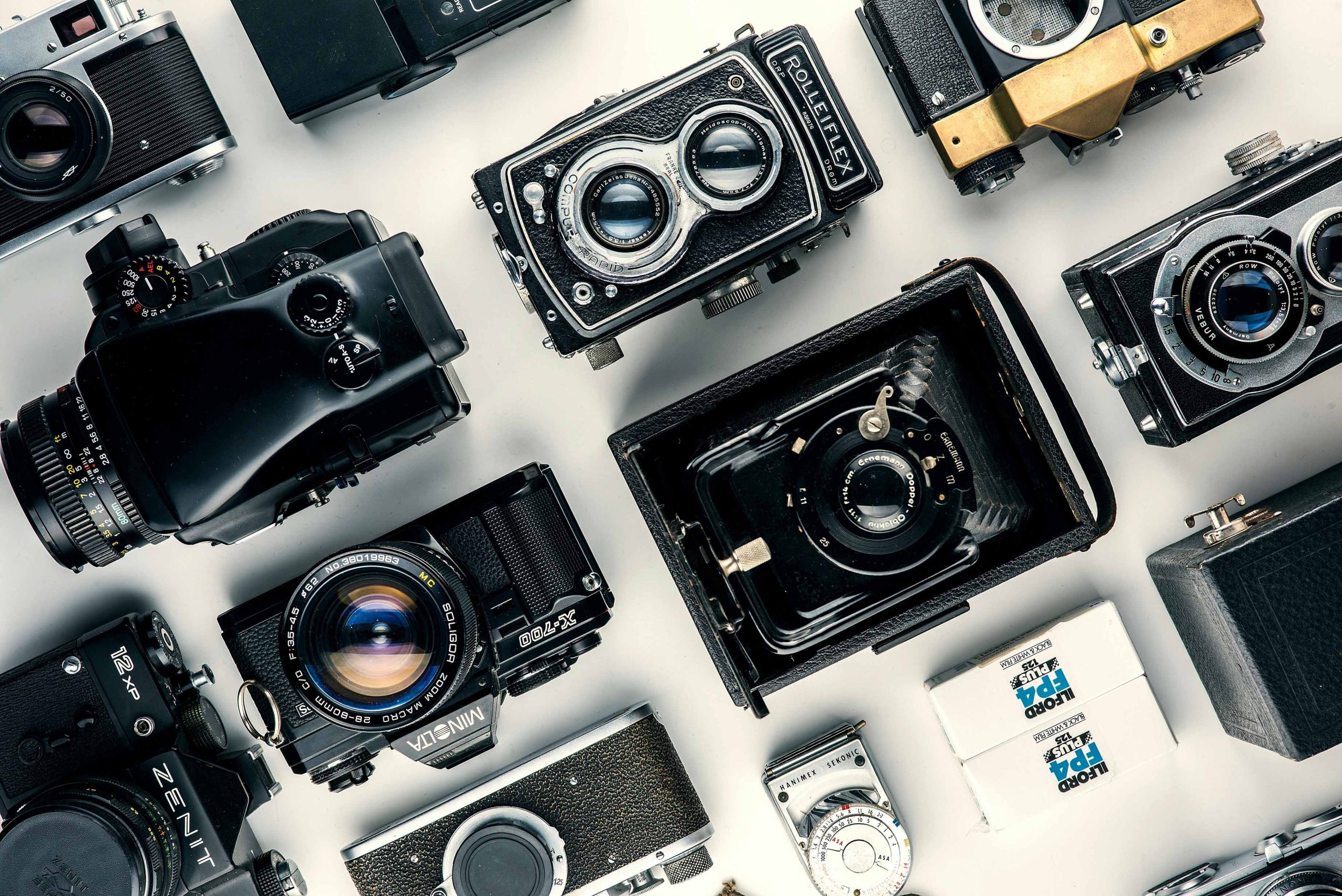
Key Takeaways:
- SLRs (Single-Lens Reflex): Great for beginners, offering full manual control, interchangeable lenses, and a true-to-life view through the lens.
- Rangefinders: Quiet, lightweight, and ideal for street or travel photography, though they require practice to master focusing.
- Point-and-Shoot Cameras: Compact and fully automatic, perfect for casual use and quick snaps.
- TLRs (Twin-Lens Reflex): Vintage charm, excellent for medium-format photography and portrait work, but require more time and precision to use.
Camera Type 1: SLR (Single-Lens Reflex)

Introduction
SLRs are arguably the most accessible type of film camera for beginners and experienced photographers alike. They use a mirror and prism system to reflect the image seen through the lens into the viewfinder, providing a direct preview of your shot.
How SLRs Work
The defining feature of an SLR is its mirror mechanism. Here’s how it functions:
- Viewing: When you look through the viewfinder, light enters through the lens and hits a mirror positioned at a 45-degree angle inside the camera. This light is then reflected upwards to a pentaprism (or pentamirror), which flips the image and displays it correctly in the viewfinder.
- Focusing and Composition: Because you’re seeing exactly what the lens sees, you can accurately compose and focus your shot.
- Taking the Shot: When you press the shutter button, the mirror flips up, and the light hits the film directly. At the same time, the shutter opens for the set duration, allowing light to expose the film.
- Reset: After the exposure, the mirror returns to its original position, and the camera is ready for the next shot.
This mirror mechanism is what distinguishes SLRs from other types of cameras, as it provides a true-to-life preview of the scene you’re capturing.

Key Points
Pros:
- Interchangeable Lenses: SLRs offer a wide range of lenses, allowing you to experiment with different focal lengths and effects.
- Manual Control: Perfect for learning photography fundamentals (like the Sunny 16 Rule)
- Durability: Many classic SLRs are built to last decades.
Cons:
- Size and Weight: Bulkier compared to other camera types.
- Noise: The mirror mechanism can be loud.
Best For:
SLRs are ideal for beginners, general-purpose photography, and anyone looking to have creative control. Much of my photography portfolio is taken with SLRs.
Examples: Canon AE-1, Nikon FM2, Pentax K1000.
Camera Type 2: Rangefinders

Introduction
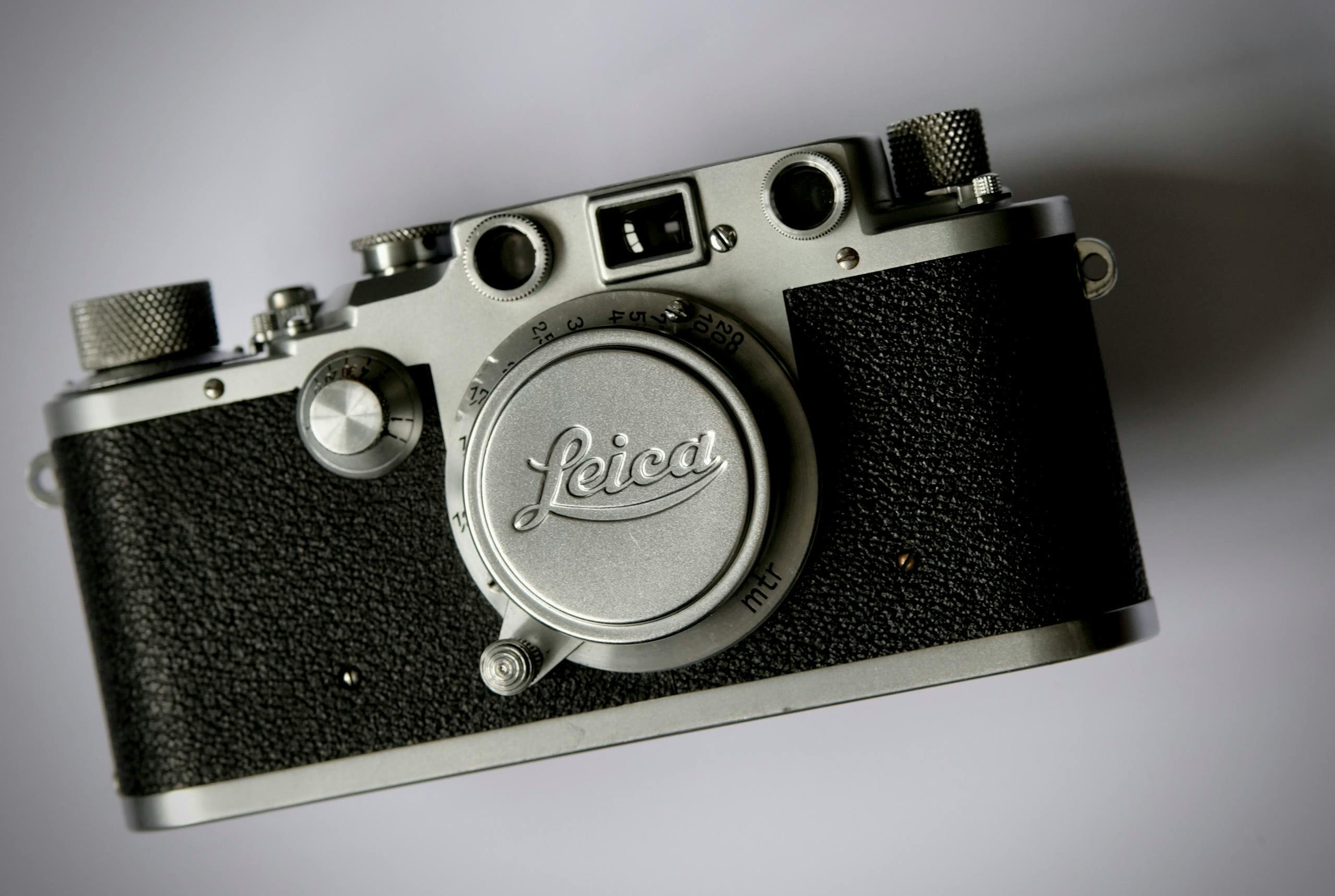
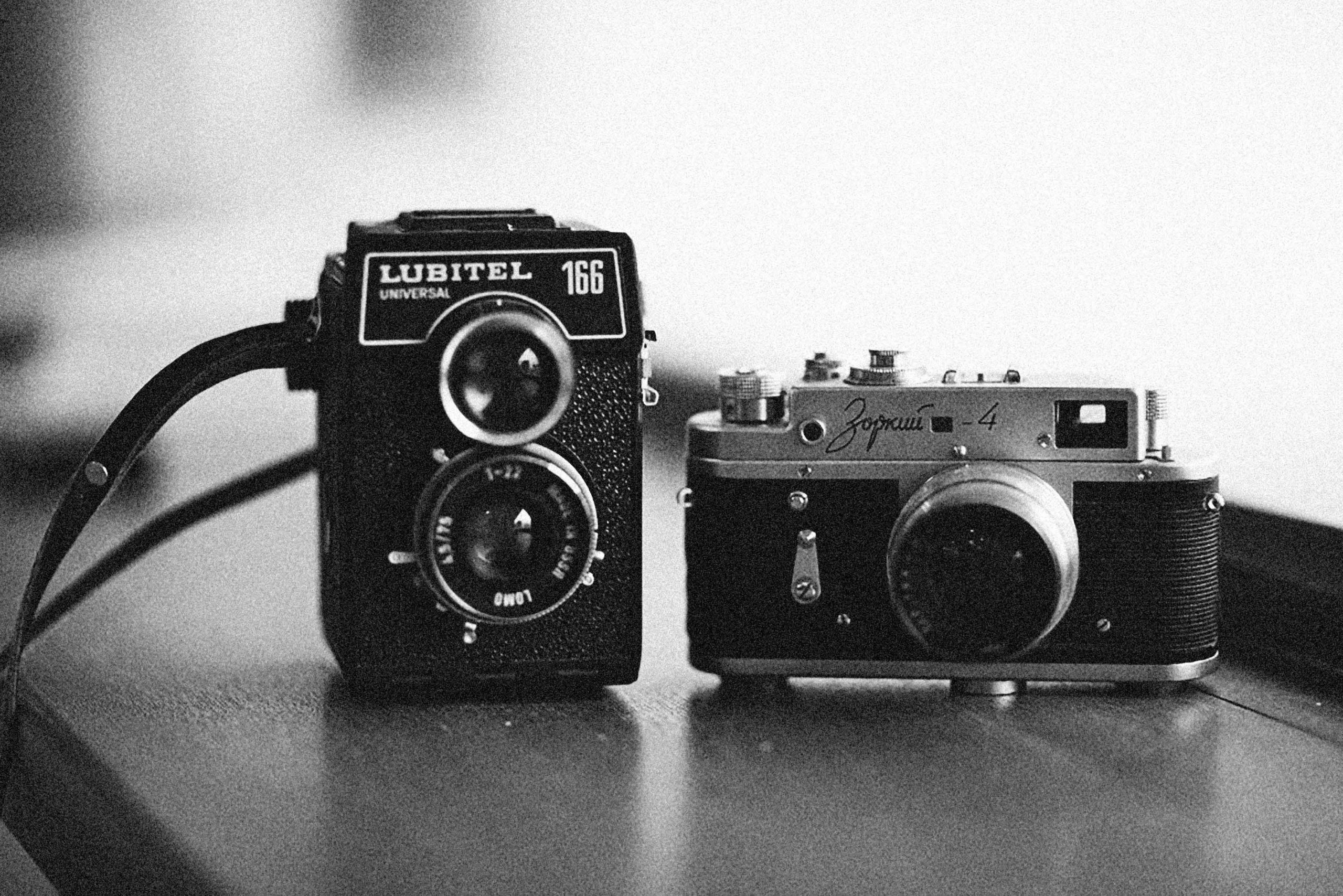
Rangefinders offer a unique shooting experience, relying on a separate viewfinder for composition and focusing. This makes them lighter and quieter than SLRs, but they require a bit more skill to master.
How Rangefinders Work
The key difference in rangefinders is their separate focusing mechanism:
- Viewfinder System: The viewfinder is offset from the lens, meaning you’re not looking through the lens itself. Instead, you see a slightly different perspective of the scene.
- Focusing: Rangefinders use a split-image focusing system. Inside the viewfinder, you’ll see two overlapping images of your subject. As you adjust the focus, these images align, indicating that your subject is in focus.
- Parallax Effect: Because the viewfinder is separate from the lens, the framing may not perfectly match what the lens captures, especially at close distances. This is known as parallax error and is most noticeable in macro or close-up photography.
Rangefinders are favoured for their compact size and quiet operation, making them perfect for street photography.
Key Points
Pros:
- Quiet Operation: Ideal for discreet shooting.
- Compact and Lightweight: Great for travel or street photography.
- Sharp Lenses: Rangefinders often come with high-quality, fast lenses.
Cons:
- Focusing Learning Curve: The split-image system requires practice.
- Framing Limitations: Parallax error can affect composition.
Best For:
Rangefinders excel in street and travel photography and are perfect for photographers who value portability.
Examples: Leica M6, Canonet QL17, Yashica Electro 35, Canon P
Camera Type 3: Point-and-Shoot Cameras

Introduction
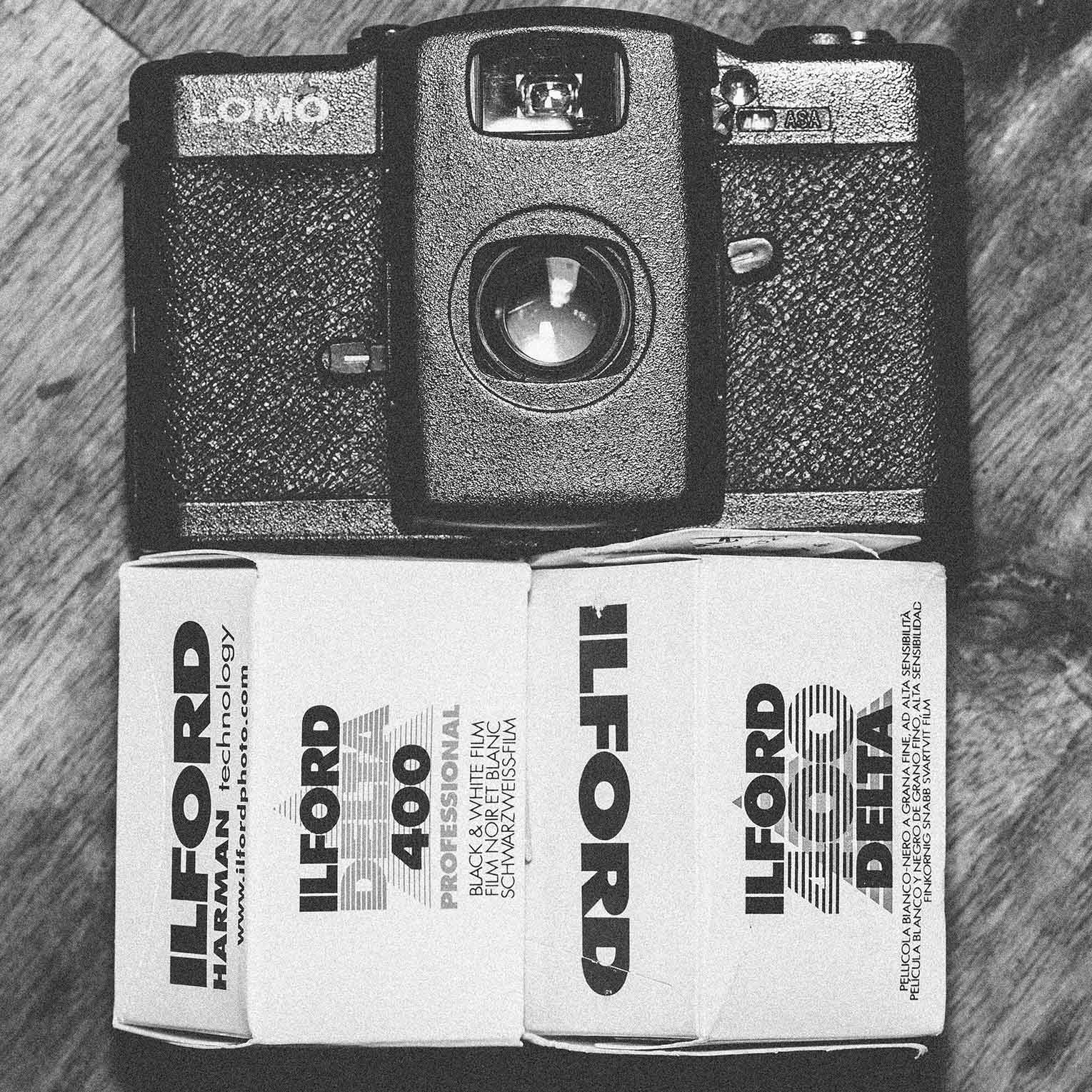
Point-and-shoot cameras are compact, fully automatic cameras designed for ease of use. They’re a fantastic option for casual photographers or those who want a simple, no-fuss shooting experience.
How Point-and-Shoot Cameras Work
Point-and-shoot cameras automate nearly every aspect of photography:
- Lens: Most have a fixed lens with a general-purpose focal length, such as 35mm or 50mm.
- Focusing: Autofocus systems handle focusing for you, ensuring sharp images without manual input.
- Exposure: The camera automatically adjusts shutter speed and aperture based on the light conditions, so you don’t need to worry about settings.
- Shooting: Simply aim, compose your shot in the viewfinder or LCD screen, and press the shutter button.
The simplicity of point-and-shoot cameras makes them ideal for quick, spontaneous photography.
Key Points
Pros:
- Simplicity: Perfect for beginners or casual use.
- Compact and Lightweight: Easy to carry anywhere.
- Affordable Options: Many models are inexpensive.
Cons:
- Limited Control: You can’t manually adjust settings.
- Quality Variability: Image quality depends heavily on the model.
Best For:
Point-and-shoot cameras are great for beginners, casual photographers, or anyone wanting a no-fuss way to capture memories.
Examples: Olympus XA2, Konica Big Mini, Canon SureShot.
Camera Type 4: TLR (Twin-Lens Reflex)
Introduction
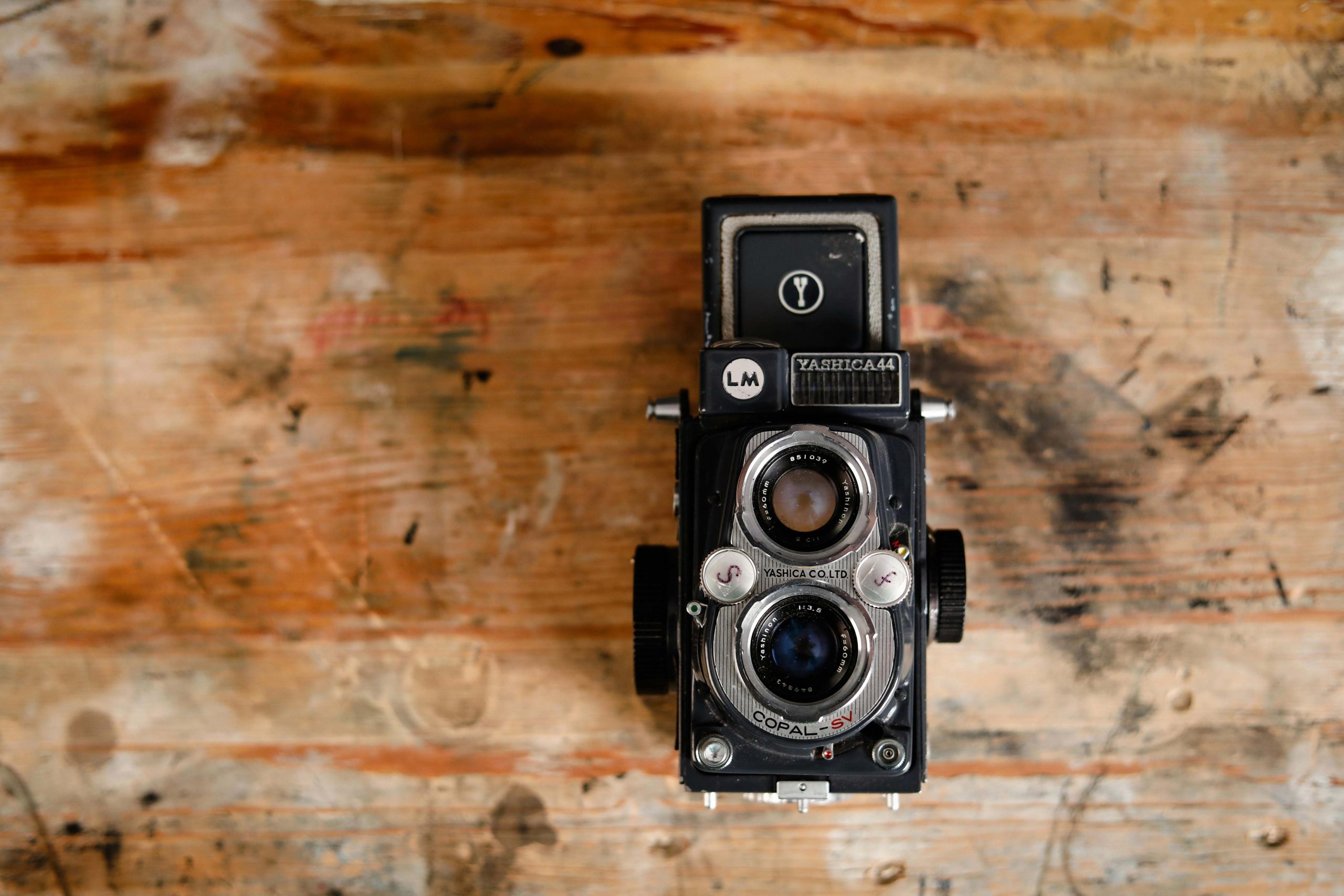
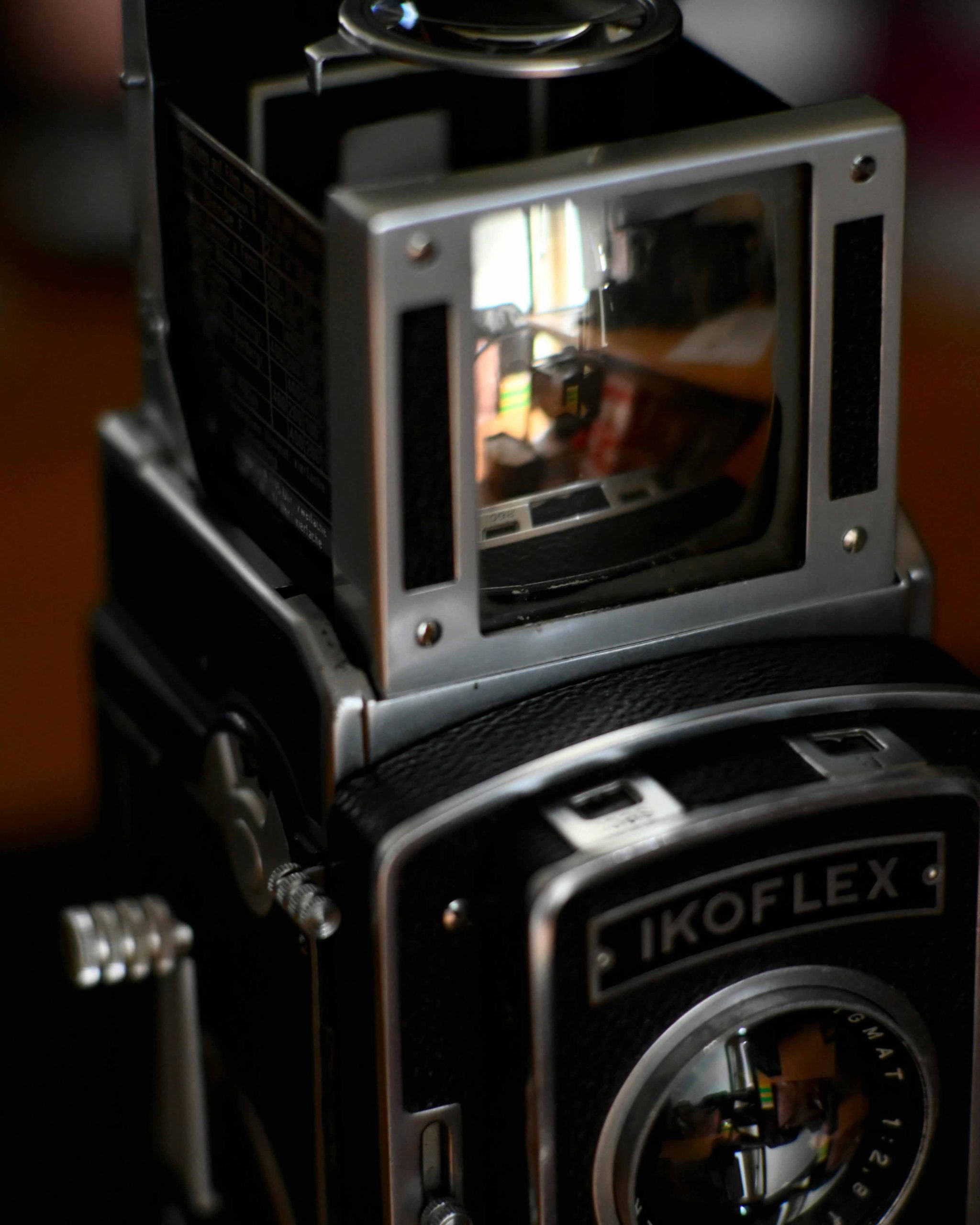
TLRs are vintage-style film cameras with two lenses: one for viewing and one for taking the photograph. Popular for medium-format photography, they are known for their unique shooting experience and incredible image quality.
How TLRs Work
The defining feature of a TLR is its twin-lens system:
- Viewing Lens: The upper lens projects the scene onto a ground-glass screen, viewed through a waist-level viewfinder. This gives you a clear preview of your shot, but the image is flipped horizontally, which can take some getting used to.
- Taking Lens: The lower lens captures the image onto the film. Because the two lenses are mechanically linked, adjustments to the viewing lens automatically apply to the taking lens.
- Manual Operation: Most TLRs are fully manual, requiring you to set focus, aperture, and shutter speed yourself.
- Film Format: TLRs typically use medium-format film (120) for larger negatives and incredible detail.
Key Points
Pros:
- Stunning Image Quality: Larger negatives provide exceptional detail.
- Vintage Charm: The waist-level viewfinder and tactile controls make shooting an experience in itself.
- Durability: Built to last and often fully mechanical.
Cons:
- Bulky: TLRs are heavier and less portable.
- Slower Operation: Requires time and patience to set up each shot.
- Learning Curve: The flipped viewfinder image can be disorienting at first.
Best For:
TLRs are ideal for portrait photographers, enthusiasts of medium-format film, or anyone seeking a unique shooting experience.
Examples: Rolleiflex 2.8, Yashica Mat-124G, Mamiya C330.
Conclusion
Choosing the right film camera depends on your experience level, creative goals, and personal preferences.
- SLRs are versatile and beginner-friendly, offering excellent control.
- Rangefinders excel in street and travel photography with their compact size and quiet operation.
- Point-and-shoot cameras are simple and perfect for casual or spontaneous photography.
- TLRs provide stunning image quality and a vintage charm, ideal for thoughtful, artistic photography, but are a step up in complexity.
Explore these options, and you’re sure to find a camera that suits your style. If you’re new to film photography in general, I would definitely recommend starting out with an affordable SLR.
Take a look at my beginner’s guide to film photography, too!
