The Different Types of Film Used in Film Photography
Quick Summary
Film photography is an art form built on variety and creative expression, and one of the most exciting elements is the vast selection of film types available to photographers.
It can also be, to the beginner film photographer, the most intimidating!
Each type of film offers unique characteristics, from colour rendering to grain structure, meaning that the type of film you choose can significantly impact your final image (as well as your bank account…)
So, this is a blog for beginners all about film types and will hopefully give you an understanding of the differences between film types and the ability to make informed decisions when selecting film stocks for your projects.

Key Takeaways:
- Film comes in 35mm, medium, and large format
- 35mm film is the most common format for beginners, offering affordability, availability, and ease of use with 24-36 exposures per roll.
- 120 (medium format) film captures higher resolution images and greater detail but comes with fewer exposures and a steeper learning curve, as well as higher costs.
- Large format film delivers the highest image quality and resolution but is expensive, complex, and not suitable for beginners.
- Colour negative film is versatile, forgiving, and widely available, making it ideal for general photography and beginners.
- Black and white film offers a classic look and is easier to develop at home, making it a great choice for creative experimentation.
Film Formats Explained
A good place to start is by understanding the different formats available. Film format refers to the size of the film used, and different cameras are built for different formats.
Here are the three most common film formats in photography:
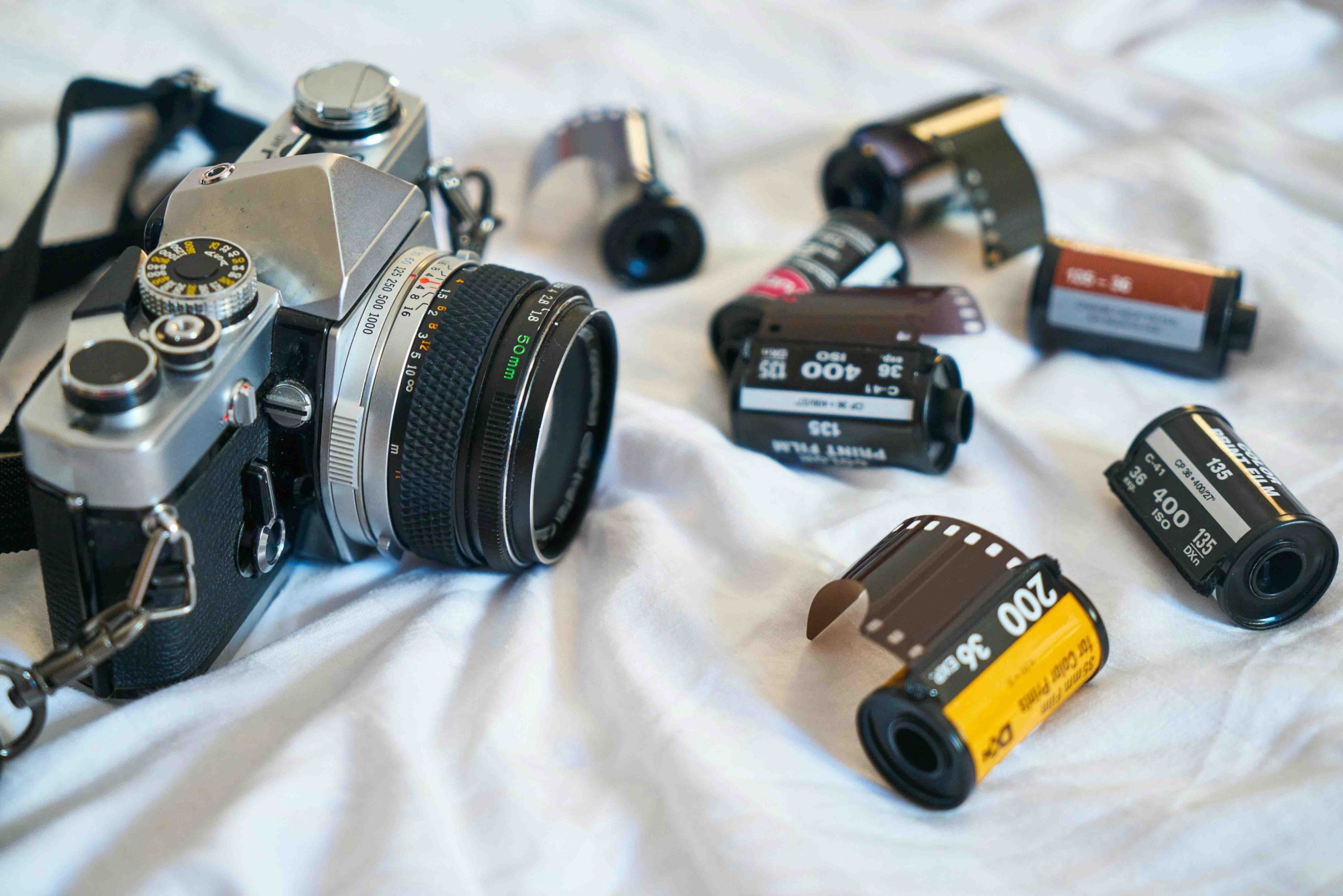
1. 35mm Film
- This is the most widely used film format, ideal for beginners due to its availability, affordability, and wide selection. It’s used in 35mm cameras, which are compact, easy to carry, and more affordable than larger format cameras.
- 35mm film produces a standard rectangular image with a typical frame size of 24mm x 36mm.
- Best For: General photography, street photography, and everyday shooting. It’s definitely my recommendation for those just starting out due to its simplicity and ease of use.
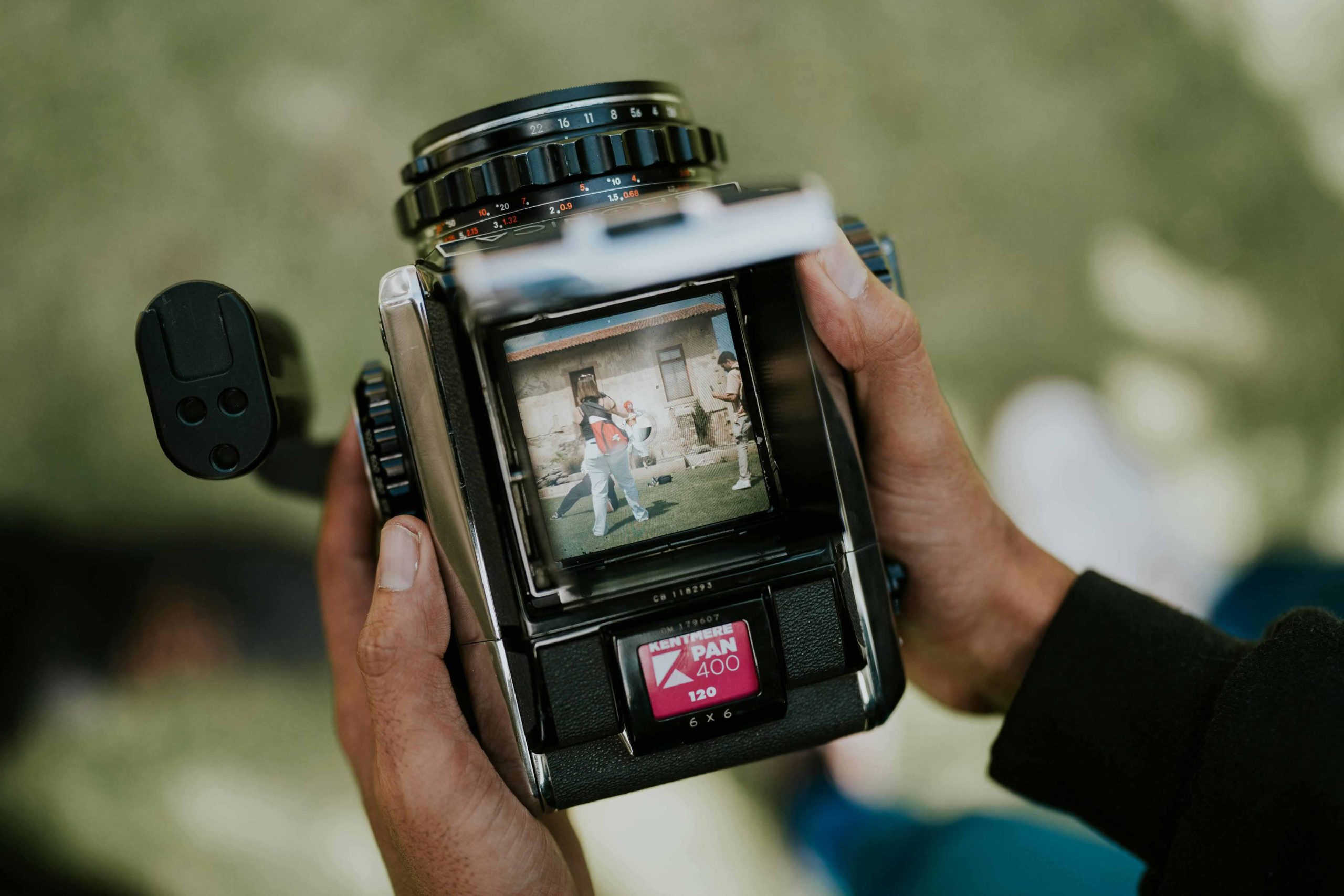
2. 120 Film (Medium Format)
- 120 film is larger than 35mm and used in medium format cameras. It captures more detail due to its larger negative size, which results in higher resolution images.
- The frame size varies depending on the camera (6×4.5, 6×6, 6×7, or even 6×9), producing rich detail and sharpness.
- Best For: Portraits, landscapes, or any scenario where image quality is a priority. However, it’s less forgiving for beginners due to higher cost and a more limited number of shots per roll (not to mention medium format cameras themselves!)
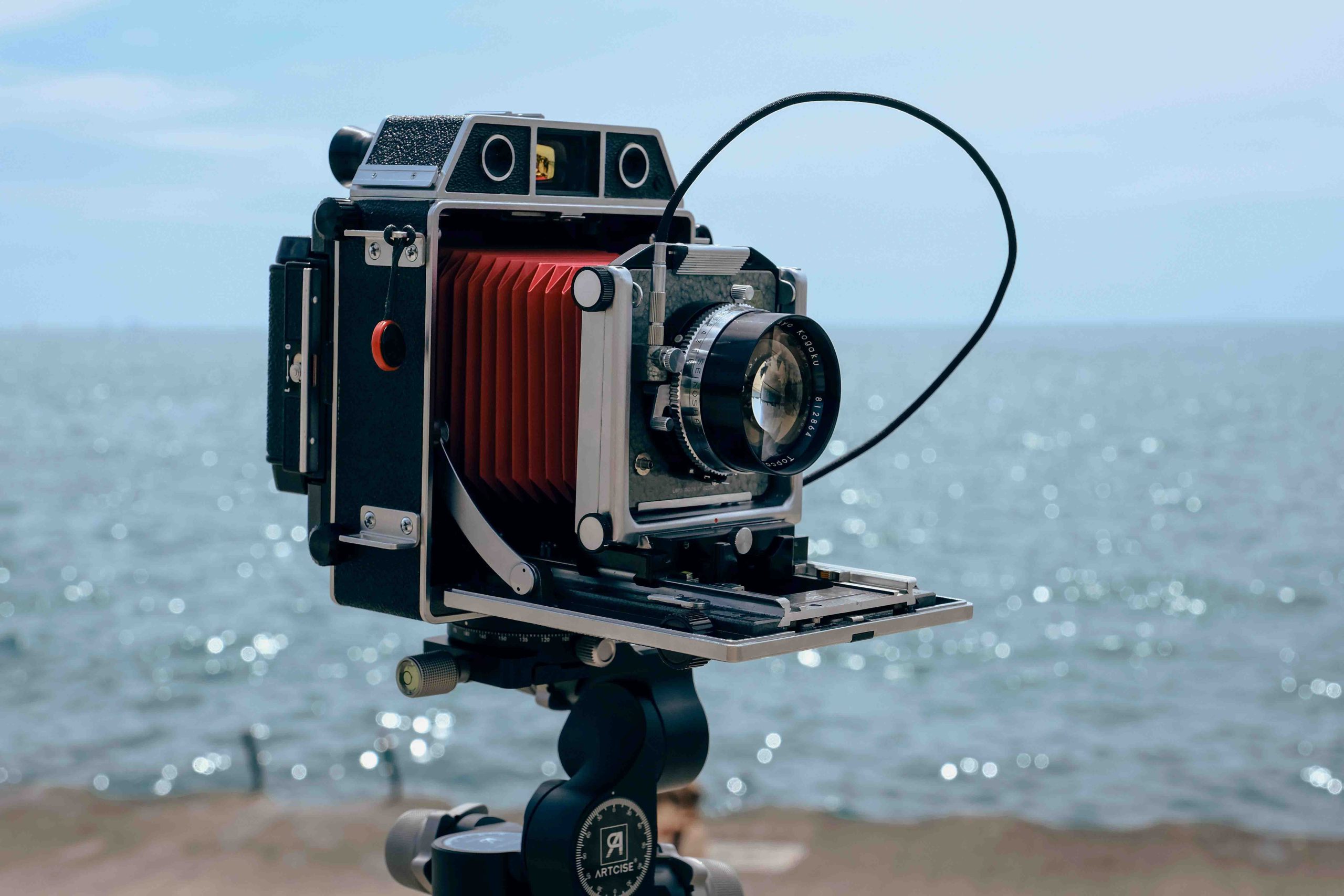
3. Large Format Film
- Large format film is typically sheet film rather than roll film, with sizes like 4×5 inches or 8×10 inches. It’s used in large format cameras, often by professional photographers or those seeking extremely high resolution.
- Large negatives offer unmatched detail, tonal range, and resolution, but large format cameras are bulky and more challenging to use.
- Best For: Fine art photography, architectural photography, and large-scale prints where image detail is critical.
Which Format is Best for Beginners?
For most beginners, 35mm film is the best choice. It’s cost-effective, easy to find online and in your local camera shop, and comes in a wide variety of film stocks.
The smaller size of 35mm film also means you get more exposures per roll (typically 24 or 36), making it great for practicing without breaking the bank.
If you’re looking for a challenge and want to explore more detailed images, 120 film (medium format) can be a fun step up once you’re more comfortable with the basics. However, large format film is generally not recommended for beginners due to its complexity and cost.
6 common Film types Used in Film Photography
1. Color Negative Film (C-41)
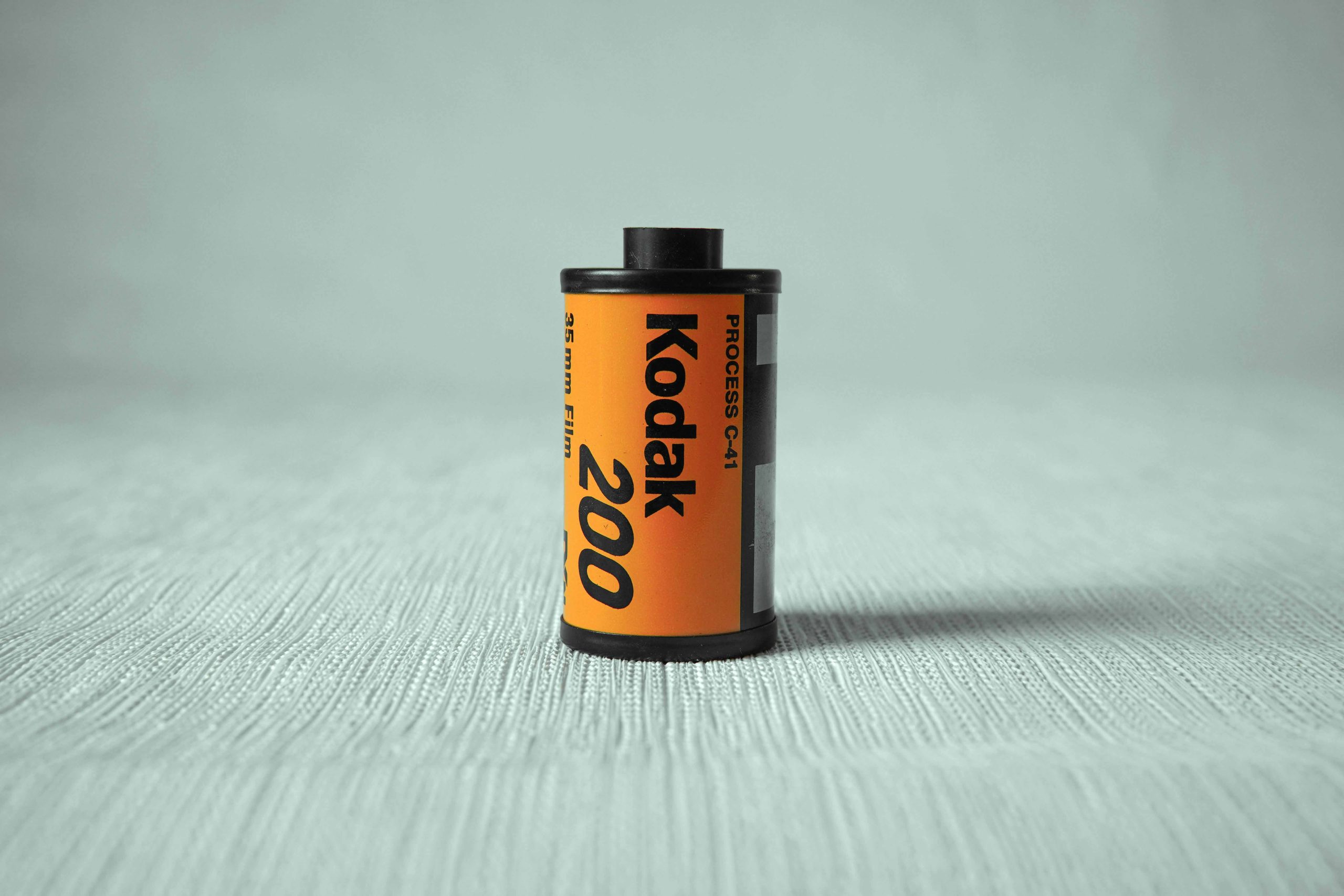
Colour negative film is the most common type of film used today.
This type of film is known for its versatility and ease of use. When you take a picture with this type of film, it produces a negative image (hence the name) which is then inverted during the printing or scanning process to create a positive, true-to-life colour photograph.
Characteristics:
- Dynamic Range: One of the key strengths of colour negative film is its wide dynamic range, meaning it can capture details in both shadows and highlights.
- Exposure Latitude: Colour negative film is very forgiving with exposure, meaning if you over- or under-expose a shot slightly, you’ll still end up with a usable image (one of the reasons it’s great for beginners!)
- Popular Film Stocks: Kodak Gold 200, Kodak Portra, Kodak Ektar, and Fuji Pro 400H.
Best For:
- Portraits, landscapes, and everyday photography.
- Great for beginners due to its exposure flexibility, availability and cheaper initial cost and processing fees.
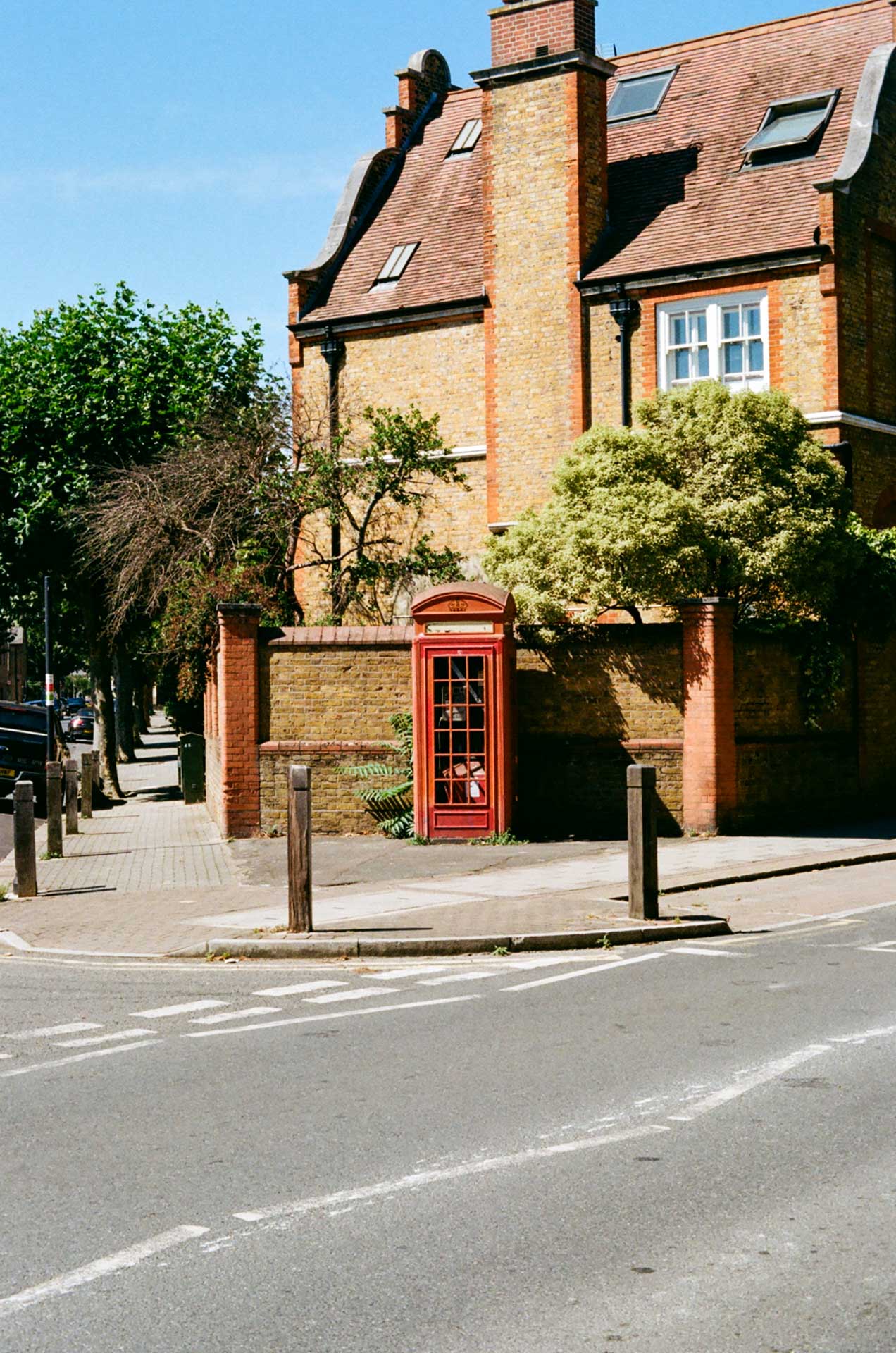
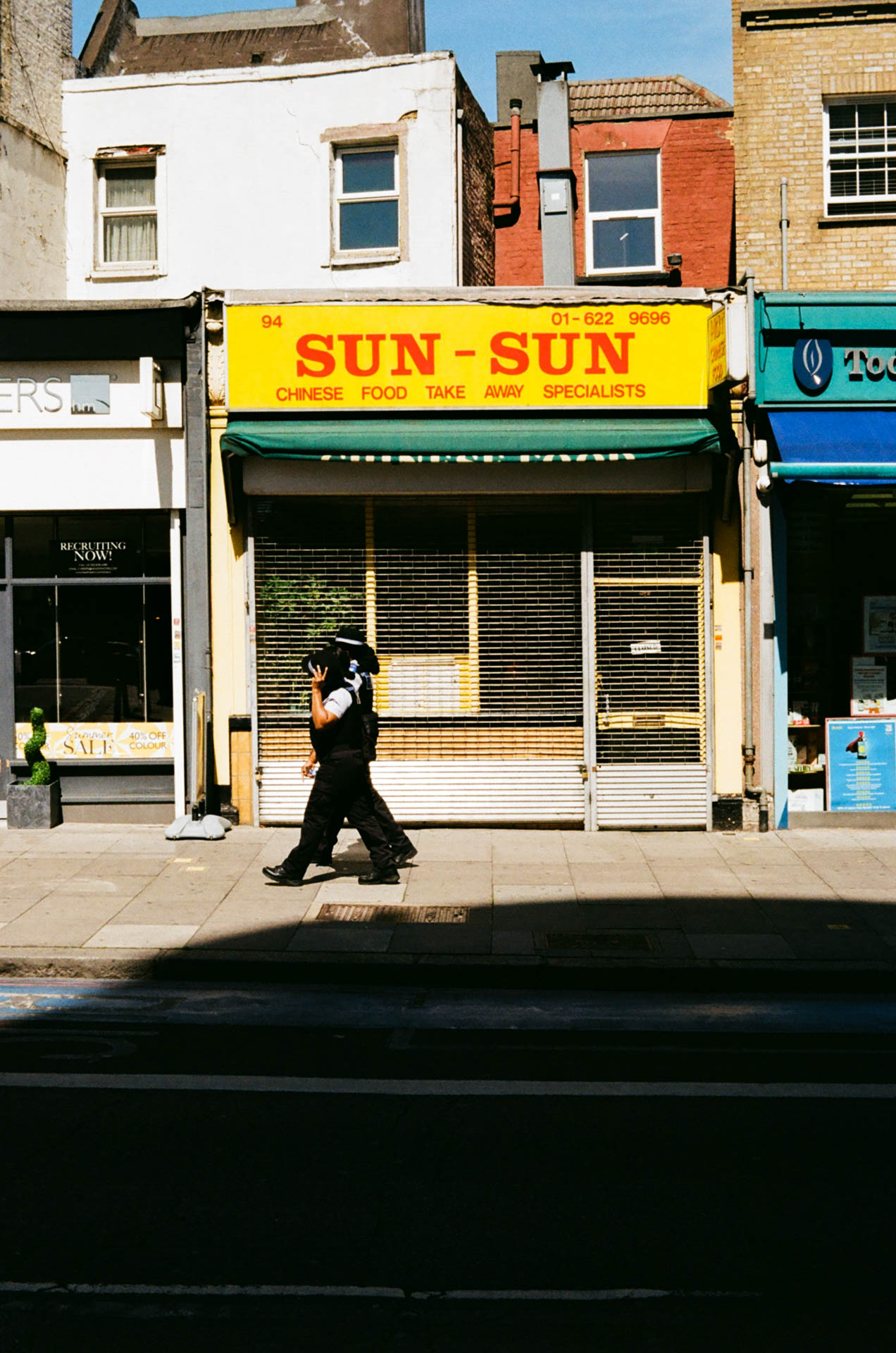
Take a look at the gallery below – these are all taken on colour negative 35mm film…




2. Slide Film (E6)
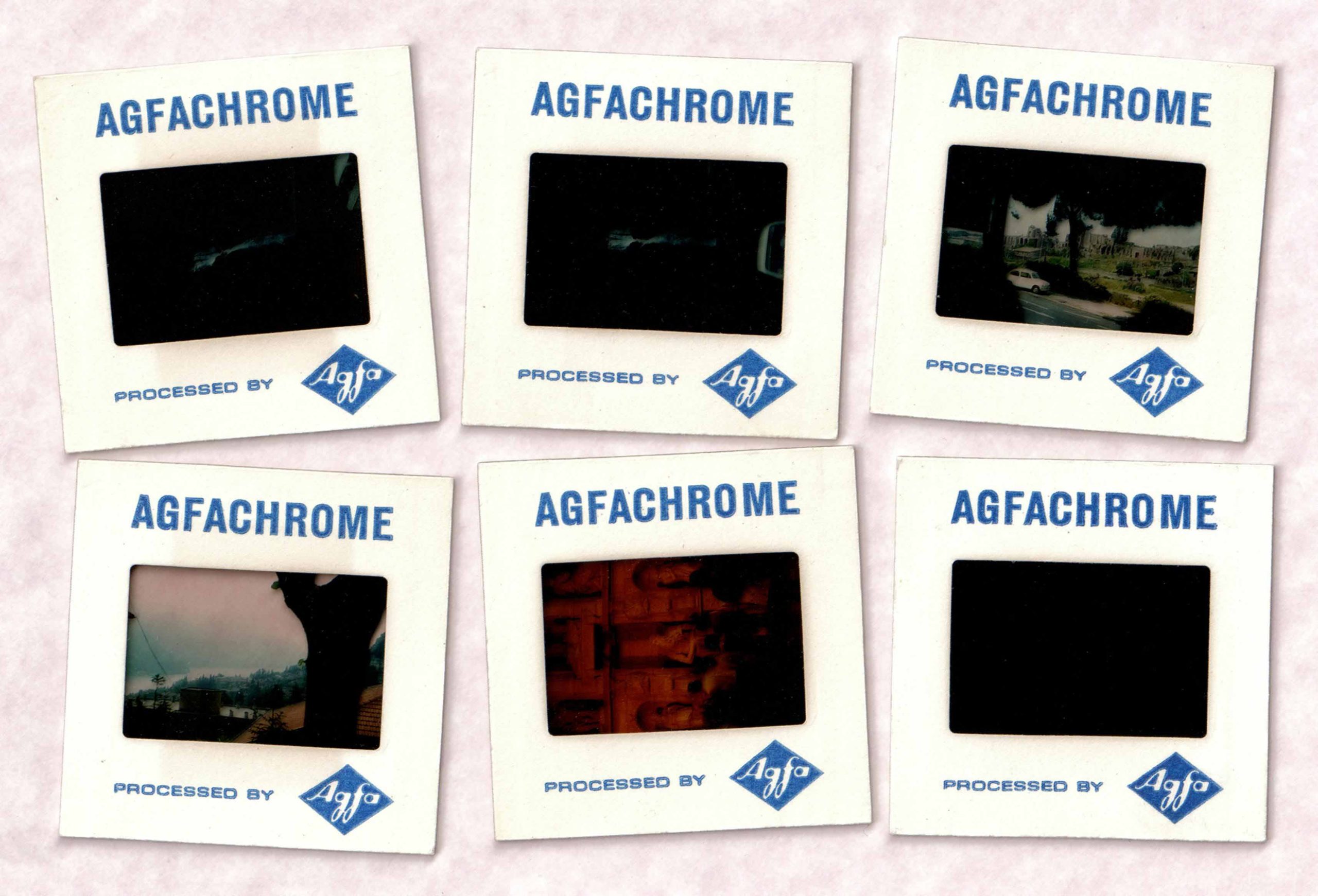
Slide film, also known as transparency or reversal film, creates a positive image directly on the film, meaning what you see is what you get. This film type is prized for its vibrant colours and sharpness but is more difficult to work with due to its limited exposure latitude.
Characteristics:
- Vivid Colours: Slide film tends to have much richer colours and more contrast than colour negative film, making it great for vibrant scenes.
- Limited Exposure Latitude: With slide film, precise exposure is crucial. There’s much less room for error compared to colour negative film.
- Popular Film Stocks: Fuji Velvia, Kodak Ektachrome, and Fuji Provia.
Best For:
- Nature and landscape photography, where colour vibrancy and sharpness are key.
- Professionals and advanced photographers who want more control and precision.
3. Black and White Film
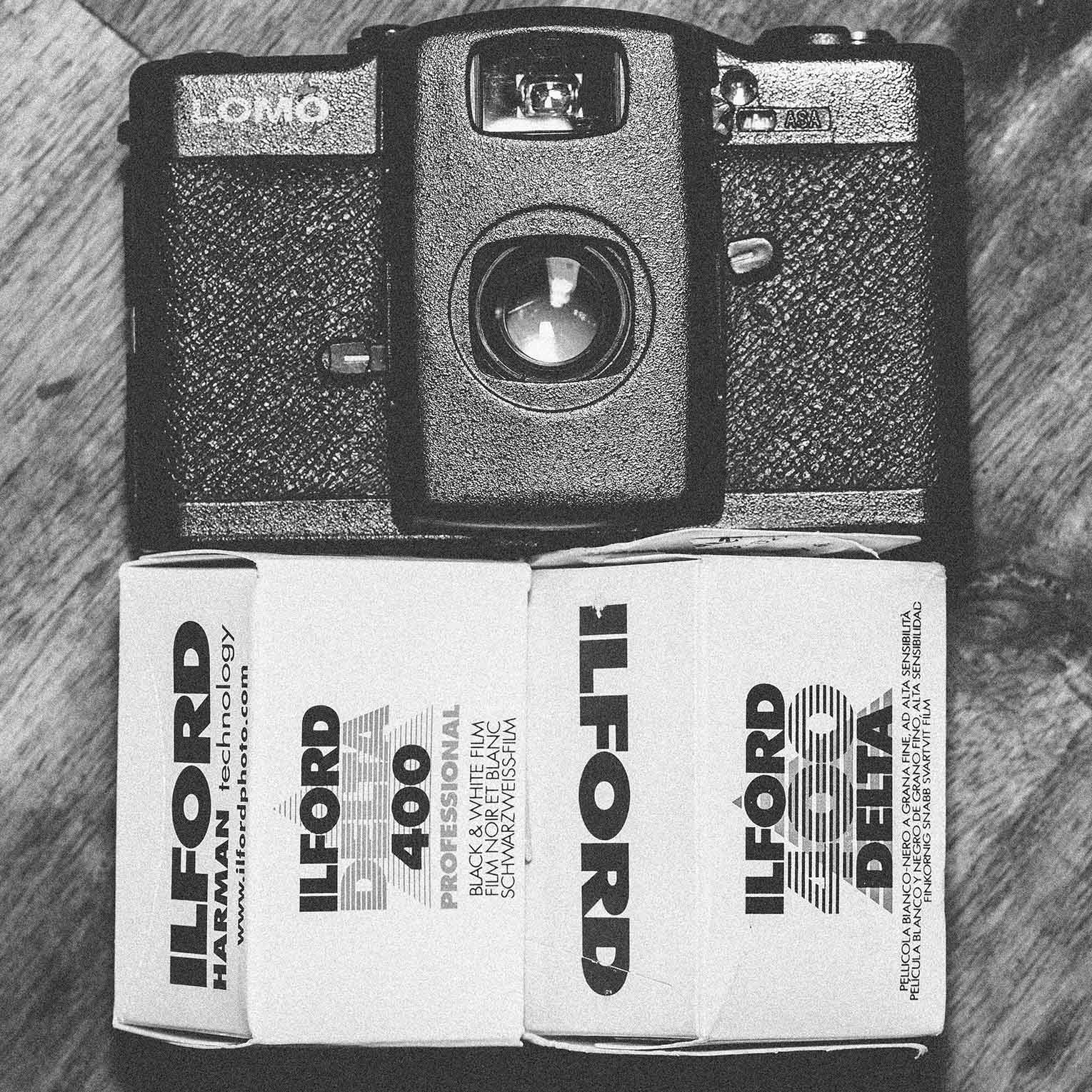
Black and white film strips away colour and produces images that can often be more timeless and emotive in their appearance. It’s also easier to develop at home, making it a great choice for hobbyists who want to explore the development process.
Characteristics:
- Contrast: Black and white film tends to emphasise contrasts and tones, leading to moody, dramatic images.
- Grain: Different black and white films offer different grain structures, from fine and smooth to coarse and prominent.
- Popular Film Stocks: Ilford HP5 Plus, Kodak Tri-X, and Ilford Delta.
Best For:
- Portraits, street photography, and artistic projects.
- Photographers looking to experiment with film development at home.
- Beginners are often recommended to start on black and white – there are pros and cons for this, but it does force you to learn contrast and composition without being able to rely on colour to “save” a bad shot!
4. Cine Film (Motion Picture Film)
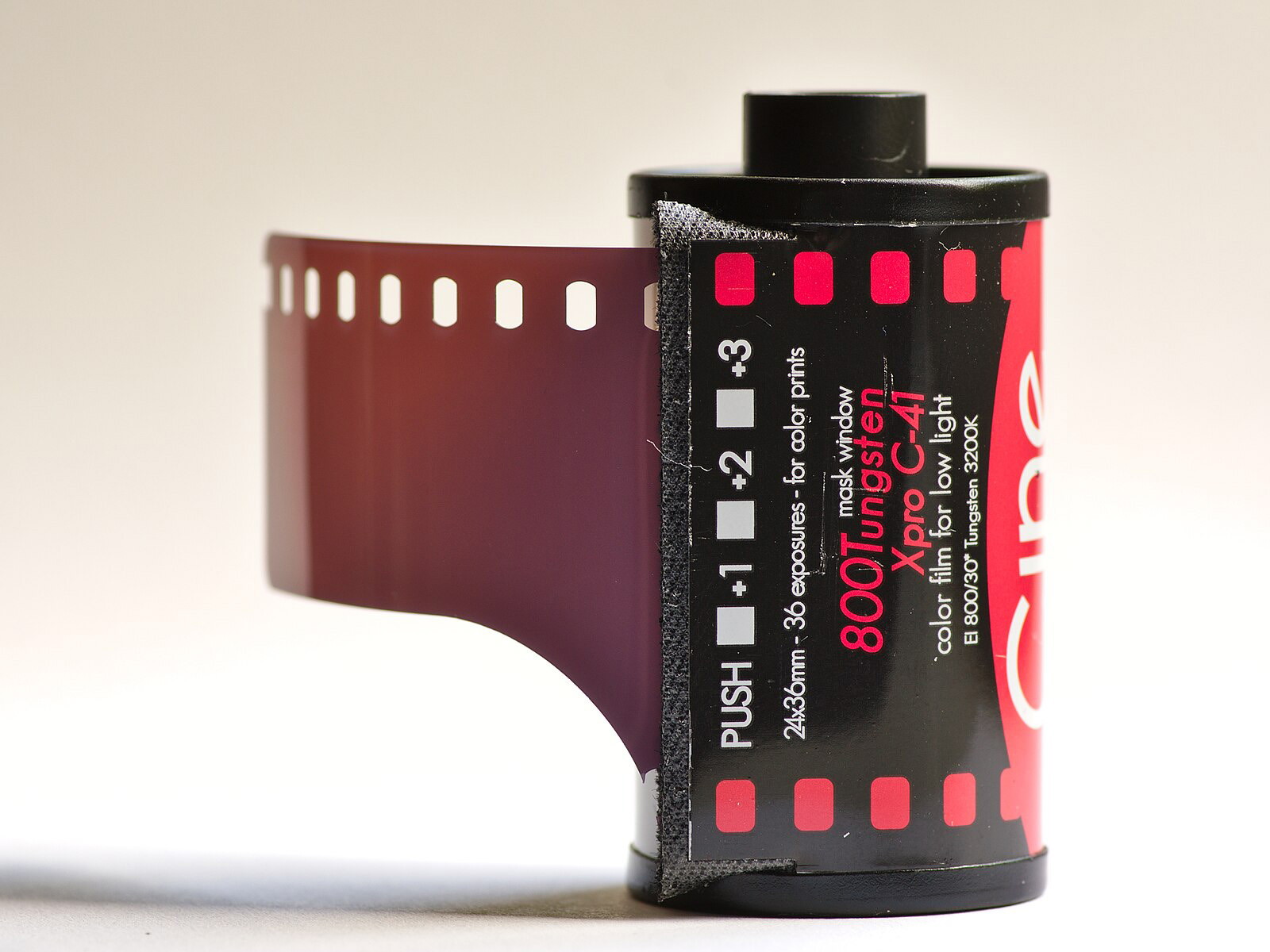
Cine film is motion picture film repurposed for still photography. This type of film has a unique aesthetic, with softer colour rendering and a cinematic quality, often requiring special processing known as ECN-2.
Characteristics:
- The colour tones and contrast levels resemble those seen in films, offering a distinct and nostalgic look.
- Cine film often requires a different process (ECN-2), though many labs now offer simplified processing options (especially if you live in major cities like London…)
- Popular Film Stocks/Brands: Kodak Vision3 series (such as Vision3 500T), which is one of the most popular cine films; CineStill (CineStill works with Eastman Kodak to produce modified versions of Kodak’s motion picture cinema emulsions).
Best For:
- Photographers seeking a distinctive, film-like aesthetic with a soft, cinematic palette.
- Street photography, creative portraiture, and experimental projects.
5. Instant Film
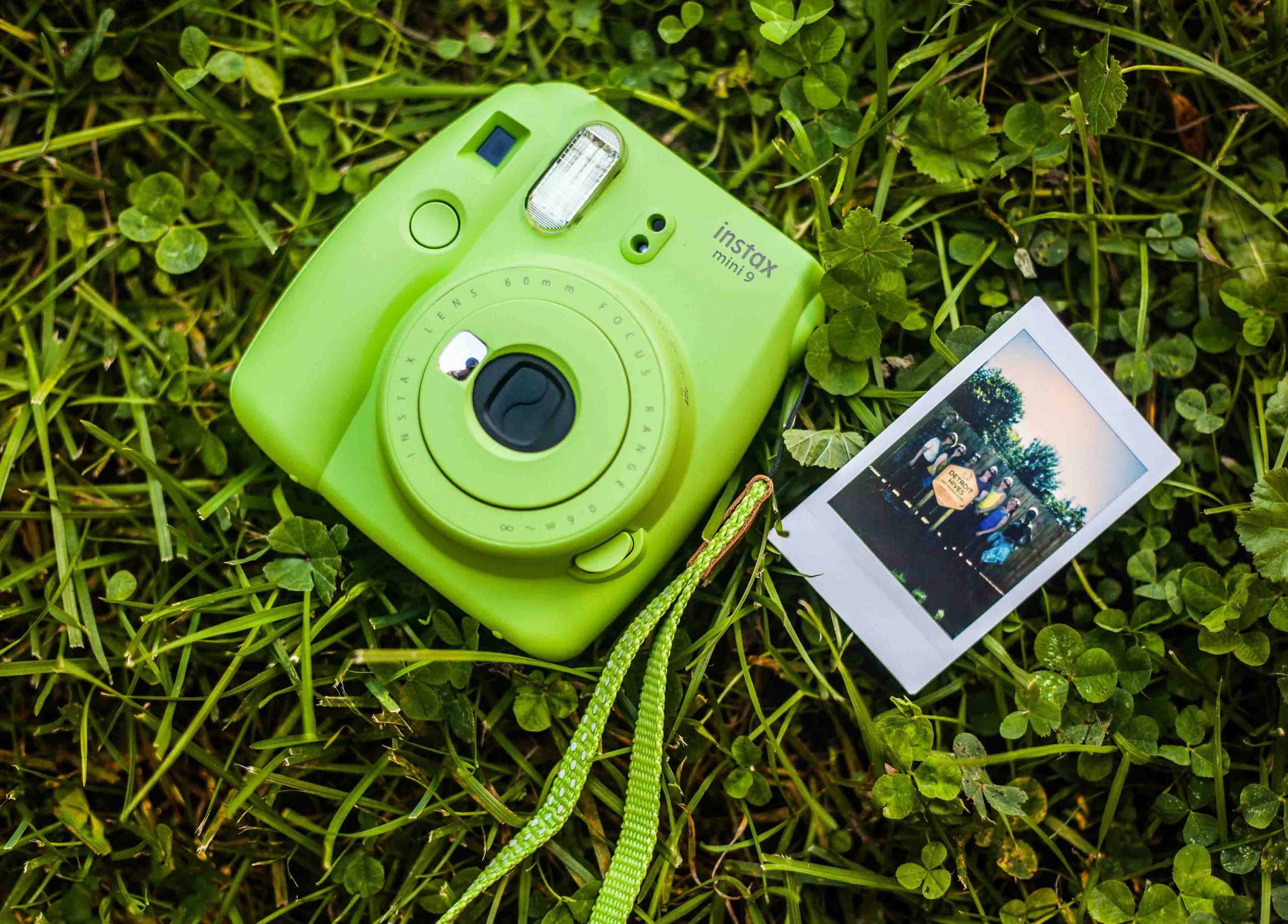
Instant film gives you a tangible photo almost immediately after taking the shot. The magic of watching your image develop in front of your eyes has captivated photographers for decades, with brands like Polaroid and Fujifilm Instax being the most well-known examples.
Characteristics:
- Unique Look: Instant film often has a slightly washed-out, dreamy quality with soft colours and distinctive textures.
- Immediate Results: Instant film is perfect for sharing moments and creating physical memories instantly – I tend to use this most for family events and parties!
- Popular Film Stocks: Polaroid Originals (for classic Polaroid cameras) and Fujifilm Instax (for Instax Mini, Wide, and Square cameras) – note that older Polaroids, such as my Spectra AF, won’t have film directly available and you may have to rely on third party film.
Best For:
- Casual photography, parties, and events where you want to instantly share the results.
- Creative projects that play with the nostalgic, tactile nature of instant film.
6. Infrared Film
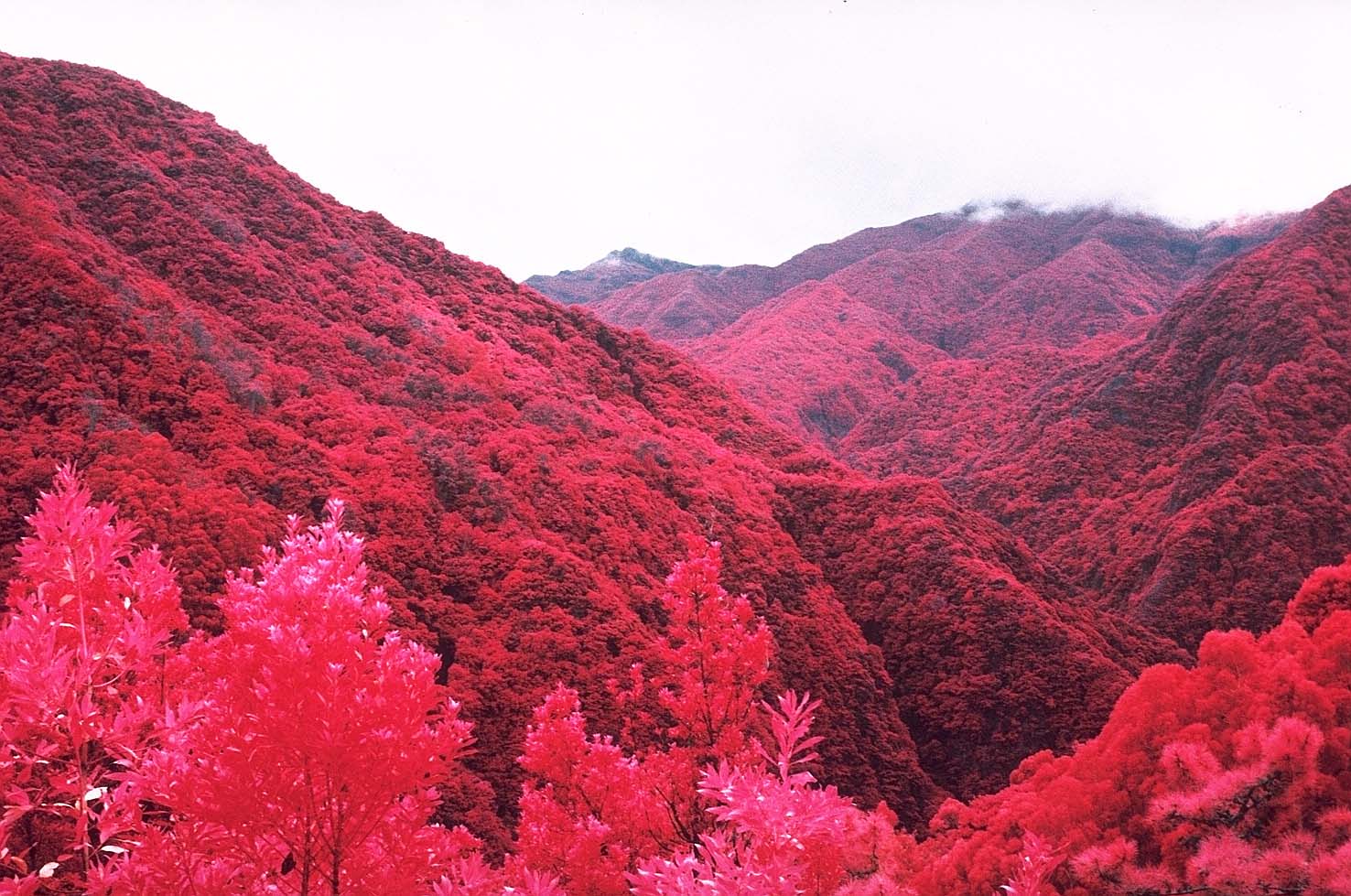
Infrared film is a more experimental type of film that captures light in the infrared spectrum, which is invisible to the naked eye. This produces surreal, dreamlike images with glowing whites and dark skies.
Characteristics:
- Otherworldly Aesthetic: Vegetation often appears white or light pink, while skies can become dramatically dark, creating an almost ethereal effect.
- Experimental Process: Infrared film requires specific filters and handling, making it best suited for photographers who enjoy experimental photography.
- Popular Film Stocks: Rollei Superman 200, Ilford SFX 200.
Best For:
- Fine art photography, landscapes, and experimental photographers.
- Projects where you want to create something surreal and unconventional.
Recommended Film Stock for Beginners
If you’re new to film photography, there are definitely some recommendations I have for a starting point…
- Kodak Gold 200: This is a classic colour negative film that’s affordable, forgiving with exposure, and offers warm, pleasing colours. It’s great for sunny outdoor shots and delivers high-quality results with minimal effort – pretty much every shot in my gallery in colour is on Kodak Gold 200.
- Ilford HP5 Plus 400: If you’re interested in black and white photography, Ilford HP5 Plus is a fantastic option. Its high ISO of 400 makes it ideal for low light or overcast conditions, and it has a classic, gritty look that adds mood to your photos. It is my favourite B/W film stock – here are shots taken on Ilford HP5 Plus.
- Kodak Portra 400: A slightly more expensive option, but Kodak Portra 400 is worth it for its exceptional dynamic range and ability to handle a wide range of lighting conditions. It’s known for producing beautiful skin tones, making it perfect for portraits.
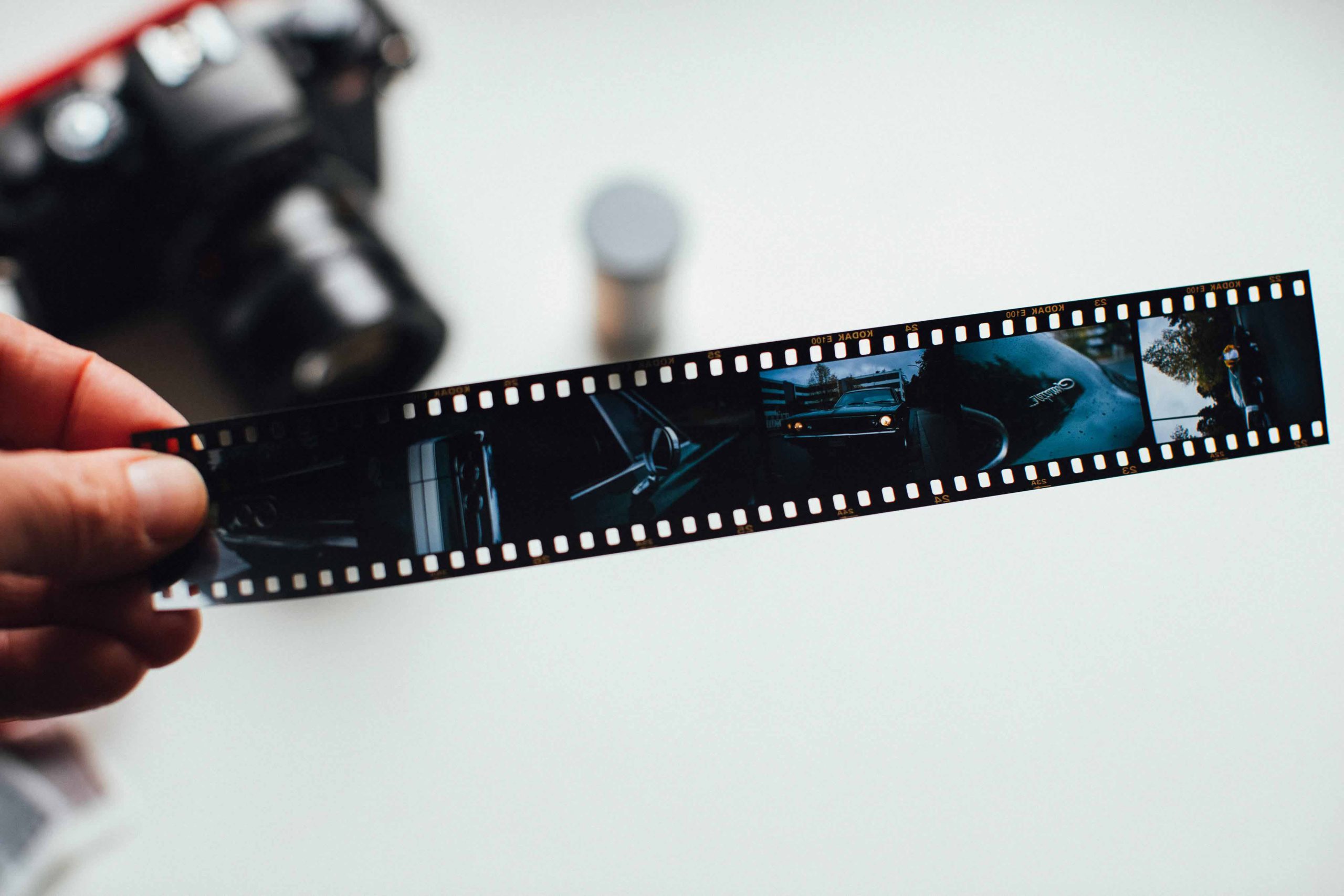
Considerations When Choosing Film
- Film Speed (ISO): When selecting film, pay attention to the film speed, which determines how sensitive the film is to light. Lower ISO films (e.g. ISO 100) are great for bright outdoor conditions, while higher ISO films (e.g. ISO 800 or 1600) are better for low light or indoor photography. If you’d like to know more about this, see my blog on the exposure triangle.
- Grain: Grain size varies by film type and speed. Higher ISO films tend to have more pronounced grain, which can add texture and mood to your photos.
- Developing Requirements: Some films, like slide film or cine film, require specific processes, while others can be processed in the more widely available C-41 chemicals.
- Cost: This one is pretty self explanatory – #staybrokeshootfilm is a movement for a reason, but if you take a look you’ll see why I mainly stick to Ilford HP5 and Kodak Gold for day-to-day 35mm shooting!
In Conclusion...
Each type of film offers something unique, allowing you to experiment with different looks and styles, but there are definitely more suited for beginners than others.
Whatever you end up shooting, make sure you log what film and what settings you use so you can see what works and learn from your successes, and failures, with every exposure!
Let me know your favourite film in the comments below and I’ll try and shoot a roll if I haven’t already!
